Commercial-Grade Floor Coating Systems for Concrete Professionals
Epoxy, polyurethane, polyaspartic, and acrylic sealer systems from APF, TCC Materials, Florock, Hi-Tech, and Accuflex — engineered for warehouse slabs, commercial floors, and industrial applications. Single-component and multi-part systems in stock. We work with coating contractors daily on primer/base/topcoat specs for concrete substrates of every condition. Order online or call (802) 489-0828 to spec the right system for your substrate, traffic load, chemical exposure, and finish requirement before you order. Coverage rates, application temps, and pot life confirmed before your order ships.
Coating Systems We Carry
-
Epoxy Systems
100% solids and water-based epoxy for floors under heavy traffic, chemical exposure, or forklift loads. APF Epoxy 100 (standard slab), 200 (moisture-tolerant), 300 Flex (crack-tolerant applications), and 400 Thixotropic (vertical surfaces and cove bases). Two-component systems requiring proper mix ratio and pot life management. Substrate must be diamond-ground to ICRI CSP 3–4 before application.
-
Polyurethane & Polyaspartic
UV-stable topcoats and fast-cure polyaspartic systems for single-day and next-day-open installs. APF Polyurethane 100 through 501, and Polyaspartic 7500 — ideal for retail showrooms, garages, healthcare, and exterior applications where color and gloss stability matter long-term. Polyaspartics cure fast even in cold temps — a major advantage for occupied buildings and short recoat windows.
-
Sealers & Specialty Coatings
Penetrating sealers, acrylic systems, and specialty coatings for concrete protection without full film-build. Acryseal and CEM-SEAL for warehouse and industrial slabs. Torginol decorative flake systems for broadcast and layered flake applications. TCC Materials cementitious products for overlays and resurfacing. Hi-Tech specialty coatings for chemical-resistant and food-safe environments.
Brands We Stock — and What Each Is For
-
APF (Advanced Polymer Flooring)
Our primary epoxy and polyurethane line. The APF system covers everything from moisture-tolerant primers (Epoxy 200) through 100% solids base coats (Epoxy 100) to UV-stable polyurethane and fast-cure polyaspartic topcoats. Full systems available — we stock the primer, base coat, and topcoat so you don't have to source from multiple suppliers.
-
TCC Materials & Florock
TCC Materials for cementitious overlays, resurfacers, and repair mortars — ideal for damaged slabs, spalled surfaces, or floors requiring leveling before coating. Florock high-performance epoxy and polyurethane systems for heavy-duty commercial and industrial applications including food and beverage facilities, healthcare, and pharmaceutical environments.
-
Hi-Tech, Accuflex & Torginol
Hi-Tech specialty coatings for chemical-resistant and food-safe floor applications. Accuflex flexible polyurethane systems for substrates with thermal cycling or movement (parking structures, exterior slabs, bridge decks). Torginol decorative flake systems and color chips for broadcast flake finishes — commercial grade, available in multiple color blends and sizes.
-
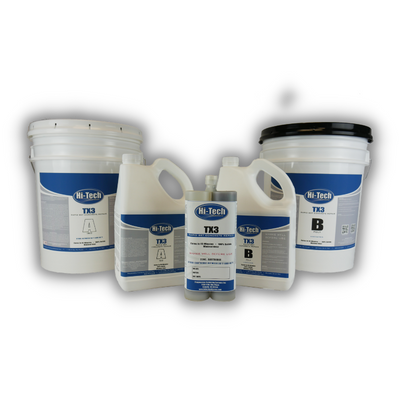
Hi Tech Spall TX3: Rapid set, high strength low viscosity polyurethane repair material
Vendor:HI TECHRegular price From $220.00 USDRegular priceUnit price per -
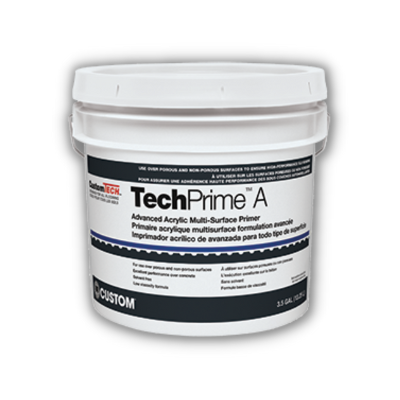
TechPrime A Acrylic Primer (1 Gallon)
Vendor:Custom Building ProductsRegular price $39.60 USDRegular priceUnit price per -
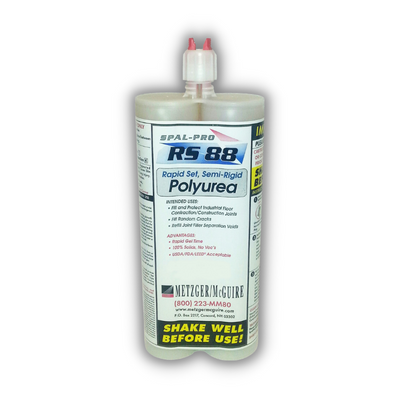
Metzger/Mcguire Spal-Pro RS 88 600ml Dual Cartridge: Heavy-Duty Semi-Rigid Polyurea Joint Filler for Industrial Concrete Floors
Vendor:ChemtecRegular price $49.94 USDRegular priceUnit price per -
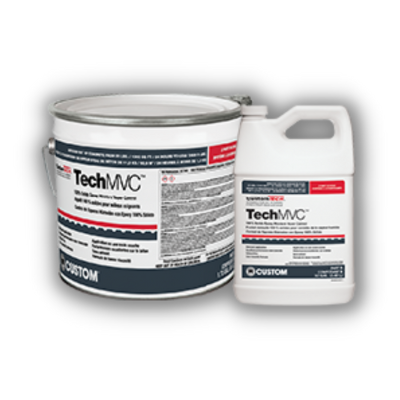
CustomTech™ TechMVC Moisture Vapor and Alkalinity Barrier (2.65 Gallon Kit)
Vendor:Custom Building ProductsRegular price $414.72 USDRegular priceUnit price per -
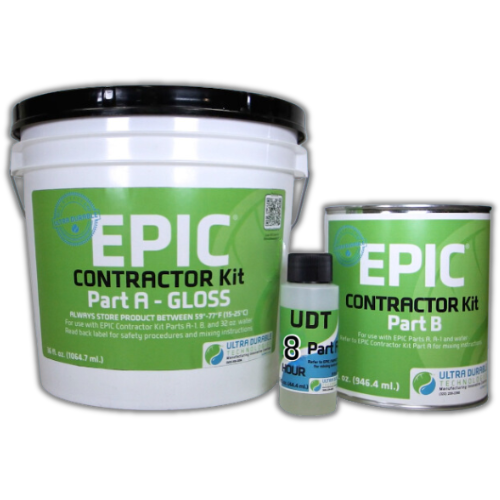
EPIC® High-Performance Floor Finish: The Ultimate in Resilient Flooring Renewal
Vendor:Ultra Durable TechnologiesRegular price $305.00 USDRegular priceUnit price per -
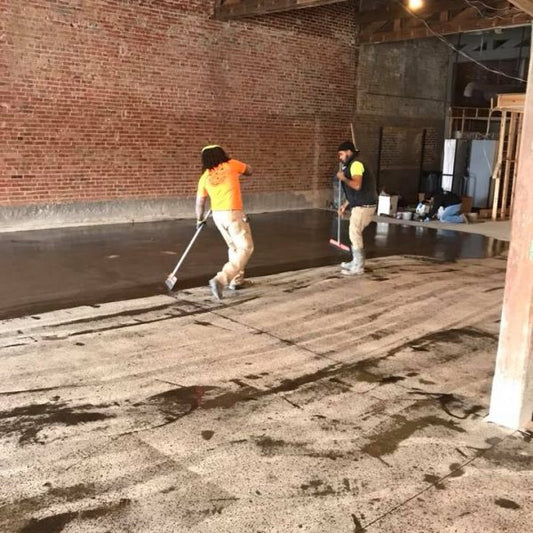
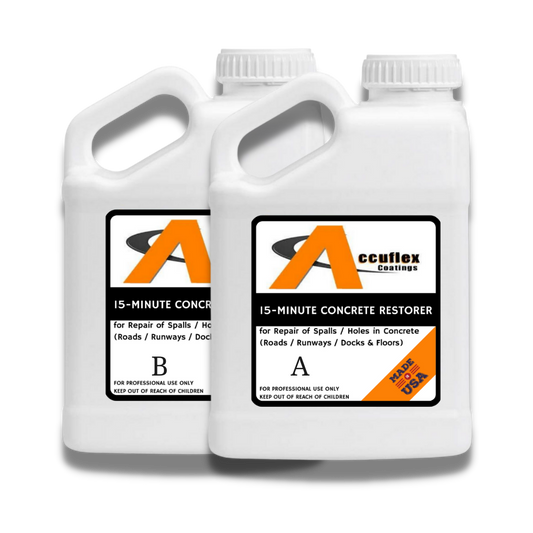
Accuflex - 15 Minute Concrete Restorer - 2Gal Kit
Vendor:Accuflex CoatingsRegular price $203.39 USDRegular priceUnit price per -
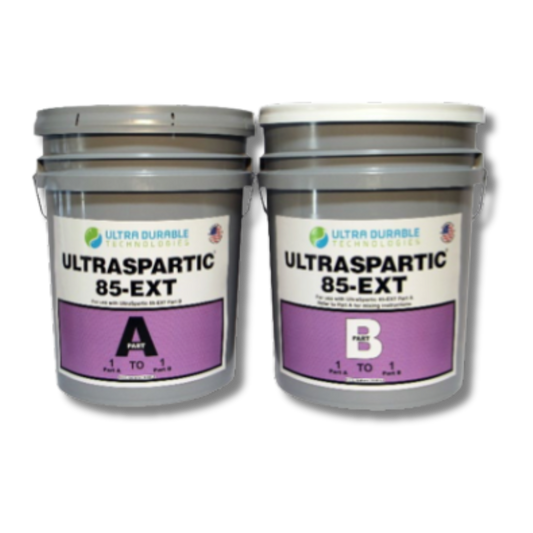
UltraDT , UltraSpartic 85‑EXT Polyaspartic (2 Gallon Kit)
Vendor:Ultra Durable TechnologiesRegular price $211.43 USDRegular priceUnit price per -
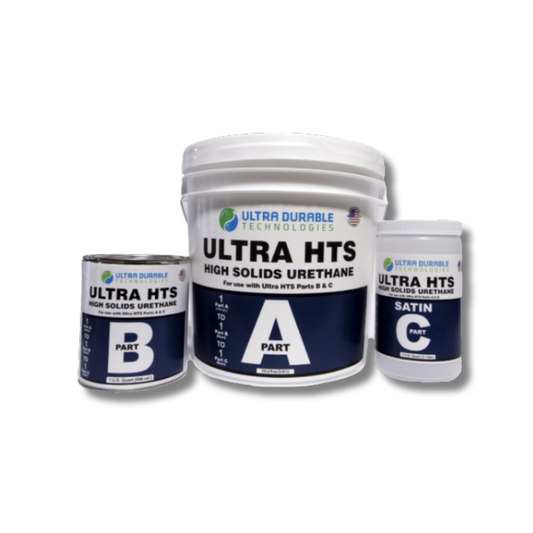
UltraDT , Ultra HTS Urethane (1.5 Gallon Kit)
Vendor:Ultra Durable TechnologiesRegular price $205.80 USDRegular priceUnit price per -
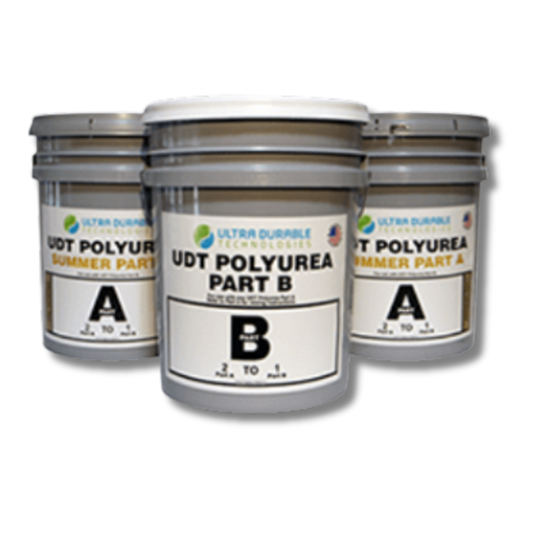
UltraDT , UDT Polyurea Summer (3 Gallon Kit)
Vendor:Ultra Durable TechnologiesRegular price $191.57 USDRegular priceUnit price per -
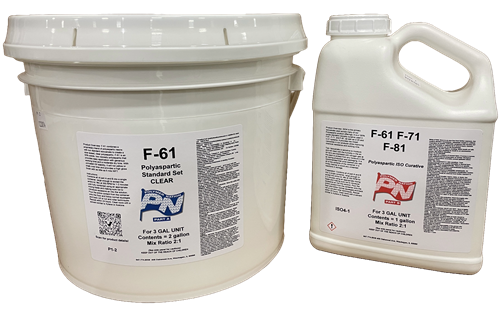
F-61 Standard Speed Clear Polyaspartic
Vendor:Polymer NationRegular price $284.17 USDRegular priceUnit price per -
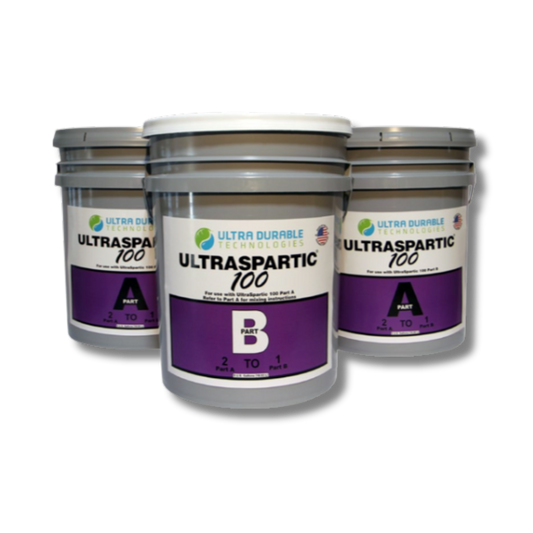
UltraDT , UltraSpartic 100 Polyaspartic (3 Gallon Kit)
Vendor:Ultra Durable TechnologiesRegular price $330.00 USDRegular priceUnit price per -
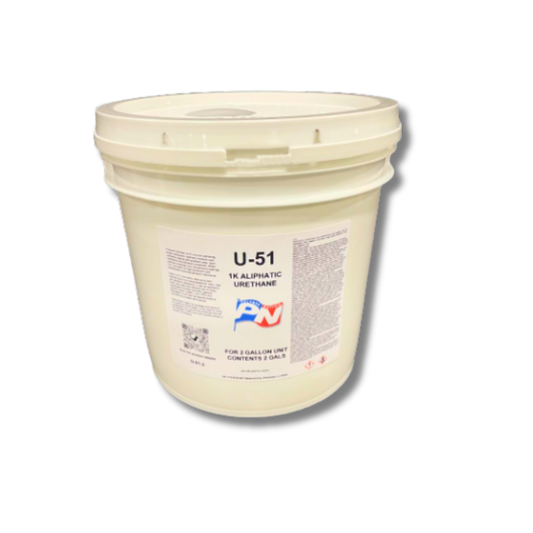
Polymer Nation , U‑51 Urethane Topcoat (3 Gallon Kit)
Vendor:Polymer NationRegular price $321.43 USDRegular priceUnit price per -
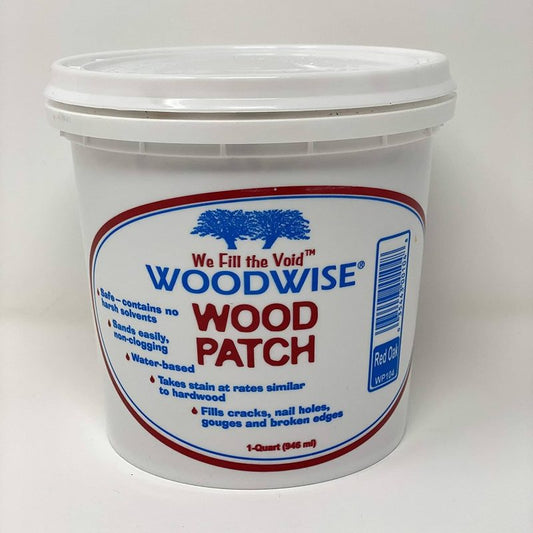
Wood Patch - Red Oak, Quart
Vendor:FNWRegular price $13.31 USDRegular priceUnit price per -
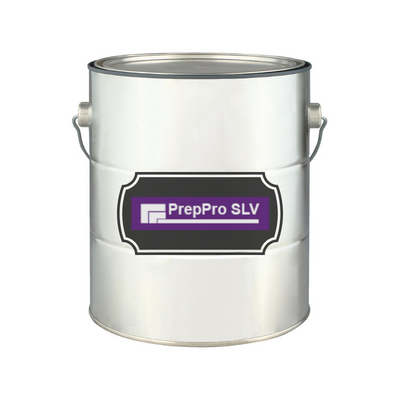
Platform PrepPro SLV: Low VOC, Water-Based Surface Strengthening Epoxy Primer (1 Gal. Kit)
Vendor:Platform Performance CementsRegular price $109.69 USDRegular priceUnit price per -
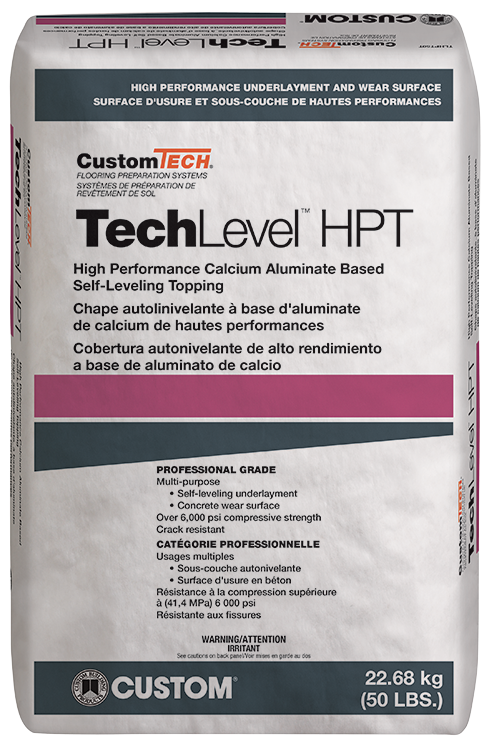
TechLevel-HPT High Performance Topping
Vendor:Custom Building ProductsRegular price $40.00 USDRegular priceUnit price per -
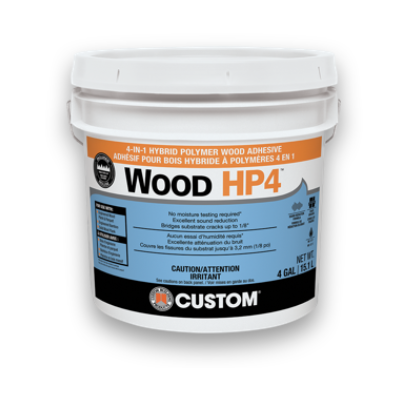
Wood HP4 4-In-1 Hybrid Polymer Adhesive
Vendor:Custom Building ProductsRegular price $182.87 USDRegular priceUnit price per -
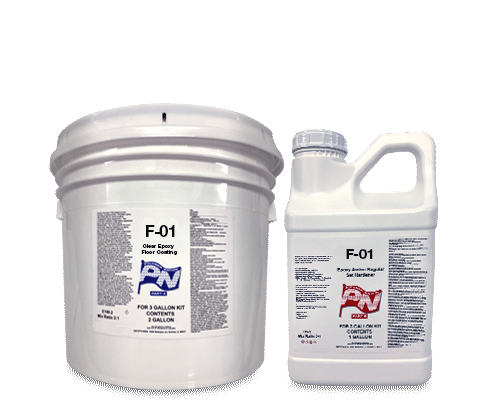
F-01 Epoxy Floor Coating System | 100% Solids Epoxy 3 Gallon Kit
Vendor:Polymer NationRegular price $168.04 USDRegular priceUnit price per -
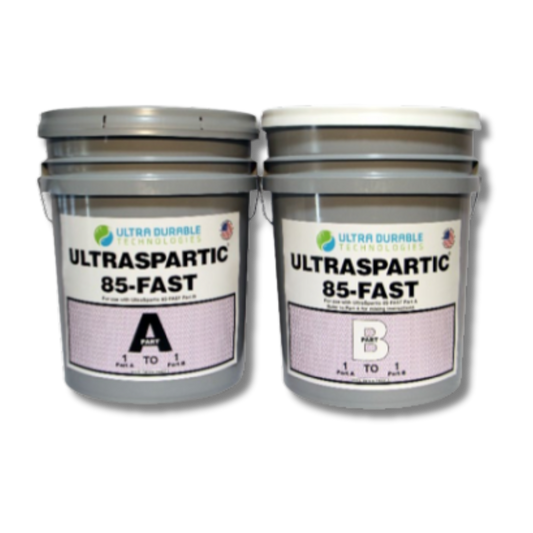
UltraDT , UltraSpartic 85‑FAST Polyaspartic (2 Gallon Kit)
Vendor:Ultra Durable TechnologiesRegular price $211.43 USDRegular priceUnit price per -
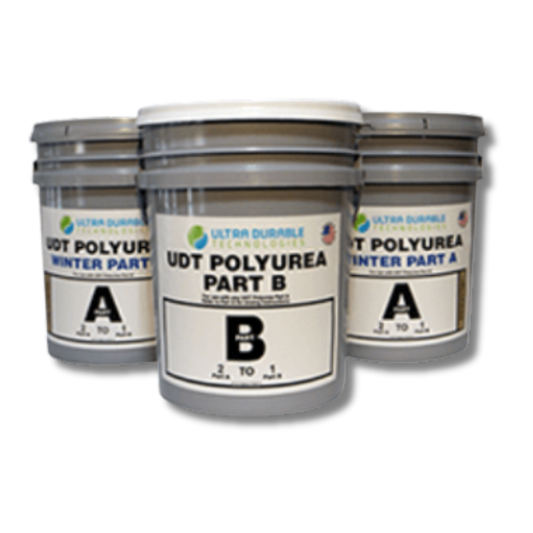
UltraDT , UDT Polyurea Winter (3 Gallon Kit)
Vendor:Ultra Durable TechnologiesRegular price $191.57 USDRegular priceUnit price per -
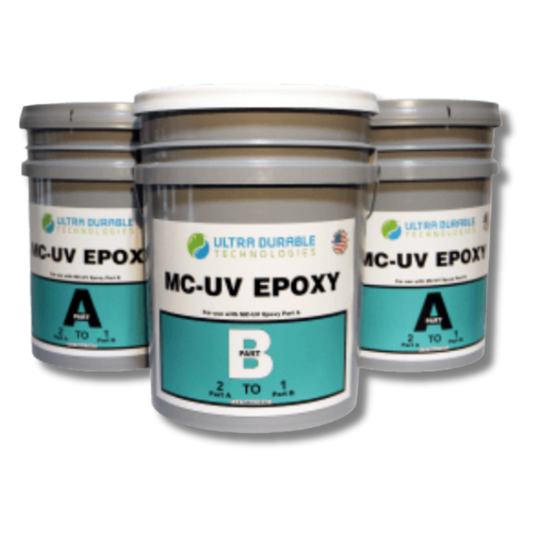
UltraDT , MC‑UV Epoxy (3 Gallon Kit)
Vendor:Ultra Durable TechnologiesRegular price $197.14 USDRegular priceUnit price per -
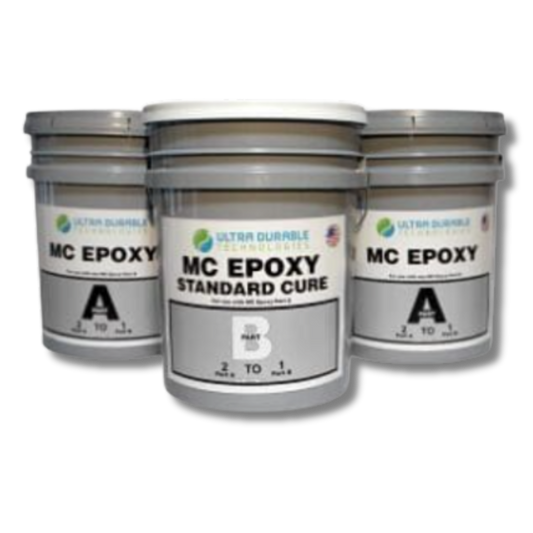
UltraDT , MC Epoxy Standard Cure (3 Gallon Kit)
Vendor:Ultra Durable TechnologiesRegular price $171.43 USDRegular priceUnit price per -
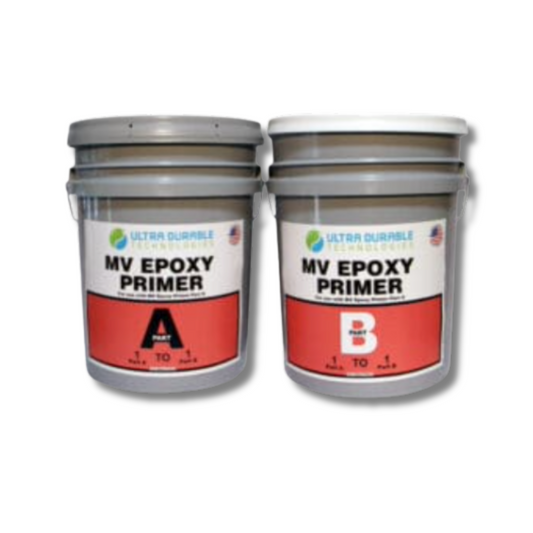
UltraDT , MV Epoxy Primer
Vendor:Ultra Durable TechnologiesRegular price $217.14 USDRegular priceUnit price per -
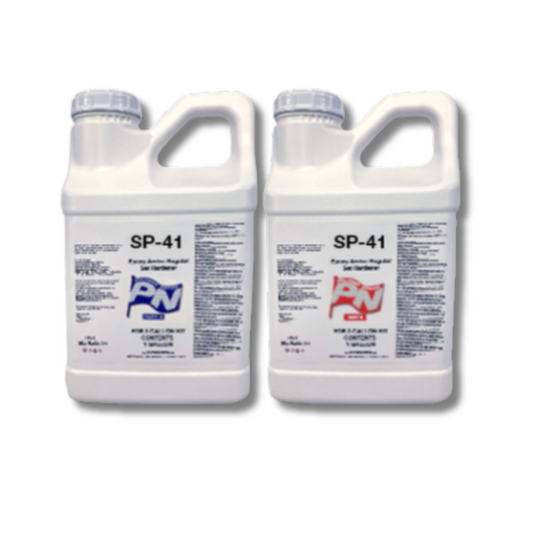
Polymer Nation , SP‑41 Clear Flexible Polyaspartic (2 Gallon Kit)
Vendor:Polymer NationRegular price $257.47 USDRegular priceUnit price per -
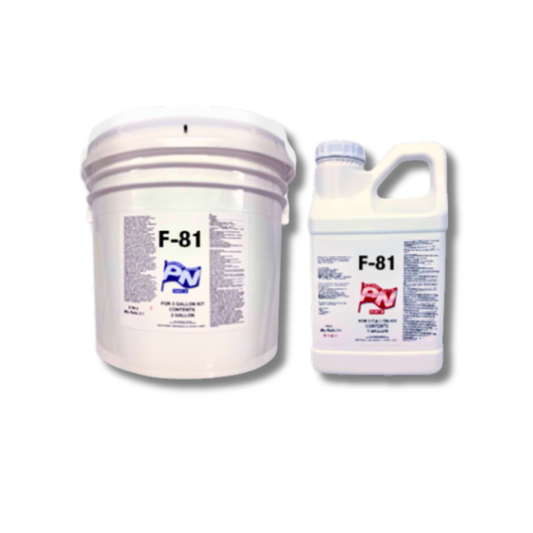
Polymer Nation , F‑81 Flexible Polyurea Joint Filler (2 Gallon Kit)
Vendor:Polymer NationRegular price $284.17 USDRegular priceUnit price per
How to Spec a Complete Coating System
A coating system has three layers. Every layer matters — the wrong primer voids the system. Here's how to think through each one:
Step 1 — Primer
Primer selection is driven by moisture. Check the slab's moisture vapor emission rate (MVER) before specifying. Dry slabs (under 3 lbs/1000 sq ft/24 hrs): standard epoxy primer. Slabs with elevated moisture (3–10 lbs): moisture-tolerant epoxy primer (APF Epoxy 200). Above 10 lbs: you may need a vapor barrier or mitigation system before coating. We can help you identify the right starting point.
Step 2 — Base Coat
Base coat selection is driven by traffic and exposure. Light foot traffic and minimal chemical exposure: water-based epoxy at 6–8 mils. Heavy forklift traffic, chemicals, or thermal shock: 100% solids epoxy at 10–15 mils. If a decorative flake broadcast is in spec, the base coat is also the receiving layer — apply flakes to wet base coat before it gels.
Step 3 — Topcoat
Topcoat selection is driven by aesthetics and UV exposure. Interior, no UV: polyurethane topcoat for chemical resistance and abrasion resistance. Exterior or UV exposure: aliphatic polyurethane or polyaspartic for non-yellowing, color-stable finish. Single-day install: polyaspartic topcoat for fast cure and same-day return to service.
Coverage rates, pot life, recoat windows, and application temps vary by product and ambient conditions. Call us before you order — we'll confirm the full spec for your specific job conditions.
System Recommendations by Application
-
Warehouses & Distribution
Heavy forklift traffic, hard use, abrasion resistance required. Specify 100% solids epoxy base coat at 10–15 mils DFT with an aliphatic polyurethane topcoat for UV and chemical resistance. Consider anti-static or slip-resistant aggregate in the topcoat for safety compliance. Surface prep: diamond grind to CSP 3, shot blast high-traffic paths.
-
Retail & Commercial
Aesthetics matter as much as durability. Decorative flake system (epoxy base + broadcast flake + polyaspartic topcoat) delivers fast cure, good looks, and easy cleaning. Polyaspartic topcoats are UV-stable — critical for storefronts and spaces with natural light. Gloss level from satin to high-gloss depending on design spec.
-
Food & Beverage / Industrial
Chemical resistance and hygiene requirements are the primary spec drivers. Florock and Hi-Tech systems offer certified resistance to acids, caustics, and cleaning agents. Cove base required in most food-service environments — APF Epoxy 400 Thixotropic for vertical cove application. All products must be fully cured and off-gassed before food production resumes.
From Coating Contractors
-
★★★★★
"Called to spec a full APF system for a 20,000 sq ft distribution center — high moisture slab, forklift traffic, chemical exposure. They walked me through primer selection, base coat mil thickness, and topcoat choice in one call. Shipped everything same day. System held up perfectly."
— Kevin M., Commercial Coating Contractor, Dallas TX
-
★★★★★
"We run polyaspartic systems for retail buildouts — tight schedules, same-day return to service. These guys always have the APF Polyaspartic 7500 in stock and it ships the day I order. Consistent product, consistent results. No surprises on the job."
— Angela T., Flooring Subcontractor, Atlanta GA
-
★★★★★
"The technical support is the real value. I had a moisture issue on a slab that my original primer spec didn't cover. Called US Abrasives, they identified the problem, recommended APF Epoxy 200, and explained the application adjustments. Saved the job. This is who I call first now."
— Ron B., Industrial Floor Specialist, Chicago IL
Concrete Coating Questions from Contractors
How do I know if I need a moisture-tolerant primer?
Test the slab's moisture vapor emission rate (MVER) using a calcium chloride test or an in-situ RH probe. If MVER is under 3 lbs/1000 sq ft/24 hrs, a standard epoxy primer is fine. Between 3–10 lbs, specify a moisture-tolerant primer like APF Epoxy 200. Above 10 lbs, you may need a vapor mitigation system before any coating is applied. Never skip this test on slabs on grade or below grade. Applying standard epoxy over a high-moisture slab causes delamination — usually within months of installation.
What surface profile (CSP) do I need before applying epoxy?
Most epoxy systems require ICRI CSP 2–4 for proper adhesion. CSP 2–3 (equivalent to light diamond grinding) is appropriate for thin-film systems under 6 mils DFT. CSP 3–4 (medium grind or shot blast) is required for 100% solids systems at 10+ mils. Never apply coating to a slab that has only been acid-etched — acid etching is not a reliable mechanical profile and most manufacturers' warranties exclude acid-etched substrates. We stock diamond tooling for surface prep — call us to spec the right prep process.
What's the difference between polyurethane and polyaspartic topcoats?
Both are UV-stable, abrasion-resistant topcoats used over epoxy base coats. The key differences: Polyaspartic cures significantly faster — most systems allow return to light foot traffic in 2–4 hours vs. 12–24 hours for standard polyurethane. This makes polyaspartic the spec for occupied buildings and tight-schedule retail buildouts. Polyurethane generally offers better long-term chemical resistance and is the standard for industrial and food-service environments. Polyaspartic can also be applied in a wider temperature range, making it viable in colder ambient conditions where standard PU won't cure reliably.
Can I apply epoxy coating over an existing epoxy floor?
Yes, but the existing coating must be in good condition — no delamination, bubbling, or adhesion failure. Lightly diamond grind or sand the surface to CSP 1–2, clean thoroughly, and confirm there's no moisture infiltration from below. If the existing coating has failed areas, mechanically remove them before recoating. Applying new epoxy over a failing coating just traps the problem and accelerates total failure. Call us if you're not sure — we can help you evaluate whether regrind-and-recoat or full removal is the right call.
What's the pot life of the epoxy systems you stock, and how does temperature affect it?
Pot life varies significantly by product and ambient temperature. Most APF 100% solids epoxy systems have a pot life of 20–40 minutes at 70°F. At 85°F, expect 30–40% shorter pot life. In hot conditions, mix smaller batches and work faster — you cannot extend pot life once components are mixed. In cold conditions (below 50°F), cure slows dramatically and some systems won't achieve full cross-link. Contact us before applying any coating in temperatures outside 50–90°F ambient — we'll advise on whether the product is suitable and what adjustments to make.
Do you sell decorative flake systems for chip broadcast floors?
Yes. We stock Torginol decorative color chips and flake blends in multiple sizes and color blends for broadcast applications. The standard system: apply 100% solids epoxy base coat, broadcast chips to rejection (full broadcast) into wet epoxy, allow to cure, scrape and vacuum excess chips, then apply polyaspartic or polyurethane topcoat. Chip size and broadcast density affect the final look and the amount of topcoat required. Call us with your square footage and design spec — we'll calculate chip quantity and topcoat volume before you order.
Need Help Speccing the Right Coating System?
Tell us your substrate condition (PSI, moisture test results, existing coating), expected traffic type and chemical exposure, and the finish spec you need — gloss level, UV stability, food-safe requirements, or return-to-service timeline. We'll identify the primer, base coat, and topcoat, confirm coverage rates and pot life for your job conditions, and get it shipped the same day. US Abrasives, Minneapolis MN — supplying concrete coating contractors for over 30 years. Call (802) 489-0828 or email info@fast-prep.com.